
Watch: Pros & Cons of ALL Home & Business Window Film Options
Joe has years of experience helping Houston businesses choose window film. He recommends products based on heat control, privacy needs, and building design. He considers each business’s needs and budget before recommending a product. His advice comes from installing window tint on commercial and residential properties.
Commercial window tinting typically costs $7 to $15 per square foot installed. Most business and office window tinting projects cost $800 to $2,500 or more. Your final price depends on the square footage, glass type, and installation requirements.
| Commercial window film | Typical installed cost per square foot |
|---|---|
| Ceramic film | $8–$10 |
| Non-reflective window film | $7–$8 |
| Frost and decorative window film | $6–$10 |
| Security window film | $7–$15 |
| Silver reflective window film | $7–$9 |
These are typical installation estimates. Larger projects may cost less per square foot. However, tall windows, equipment rentals, and extra preparation can increase the total tinting cost.
The final price depends on more than the amount of glass you want to cover. Your film type, window height, and access requirements also affect the cost. The condition of your windows and your goals for privacy or heat reduction matter, too.
You can use LLumar’s energy savings calculator to estimate potential savings from installing window film. This can help you understand the possible return on your tinting investment.
In this guide, we’ll compare commercial window tinting costs and different film types. We’ll also explain what to expect when planning your project.
Different Types of Commercial Window Film
- Ceramic Film
- Non-Reflective Window Film
- Frost & Decorative Window Film
- Security Window Film
- Silver Reflective Window Film (mirror tint)
Let’s look at how these films differ.
1. Ceramic Film: $8–$10 per square foot
Ceramic window film is a high-end option that reduces infrared heat while keeping your windows easy to see through. Many products reject large amounts of heat without looking dark. This makes them popular for offices, storefronts, and buildings that need natural light.
Depending on the product, ceramic films can reject 65% or more of solar heat. Some offer strong heat rejection even in lighter shades.
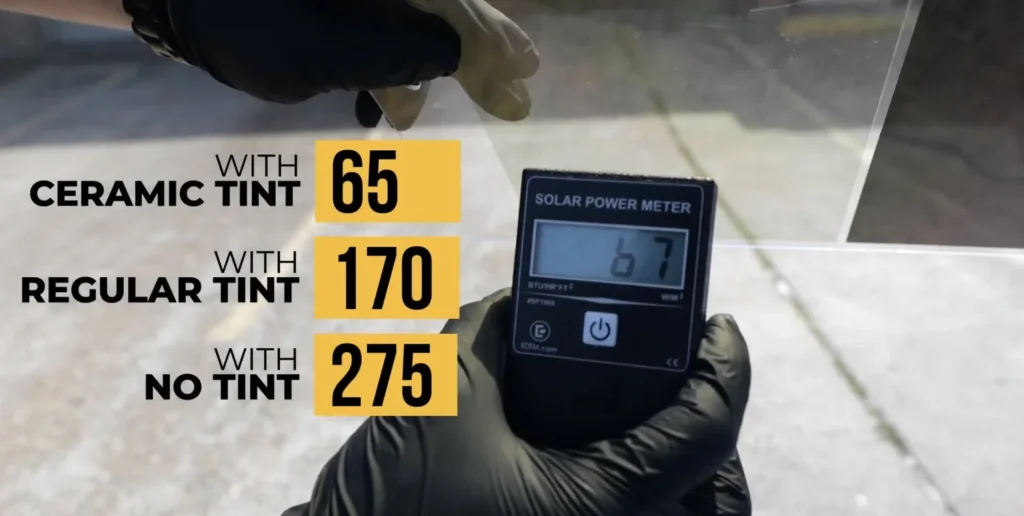
We used a BTU meter to compare how much heat passed through different films. We tested a light ceramic film (70% shade) against a dark non-reflective film (5% shade). The ceramic product recorded a much lower heat reading. In our test, it performed almost three times better.
Ceramic window tint helps reduce infrared heat while still allowing daylight into your business. It can make rooms more comfortable without making them noticeably darker.
Many ceramic films come with warranties of 10 years or more. Some products also offer lifetime coverage.
However, not every ceramic film suits double-pane glass. Some products absorb enough heat to increase the risk of thermal stress and cracking. We’ll check your glass type and the manufacturer’s specifications before recommending a film.
This type of window tint works well for large display windows. It helps reduce heat and UV exposure that can damage merchandise while keeping products visible from outside. It’s also useful for areas that get very hot during the day.
2. Non-Reflective Window Film: $7–$8 per square foot
Non-reflective window film is a cost-effective choice for commercial windows. Depending on the product and shade, it can reduce solar heat and glare without giving the glass a mirrored appearance.
This film helps block UV rays that can fade floors and furniture. It also reduces sunlight that causes glare on screens. Darker shades may provide some daytime privacy, although this depends on the film and lighting conditions.
You can compare commercial window film options to find a product that suits your business.
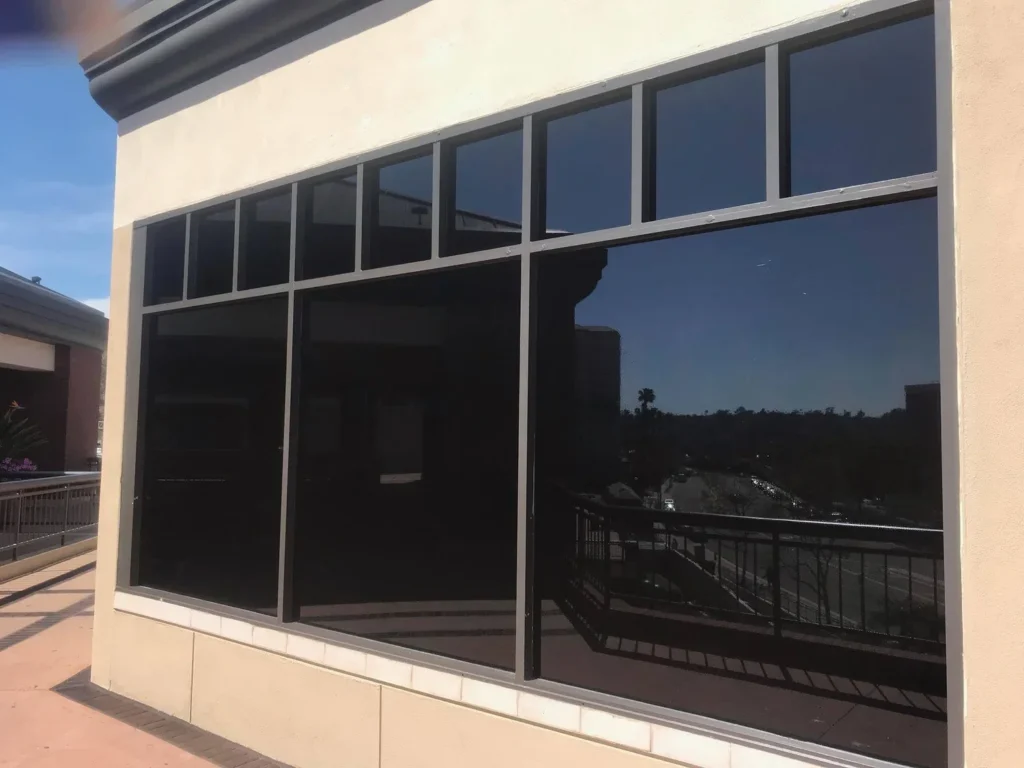
Some non-reflective films work well on double-pane windows. However, compatibility depends on the product and glass specifications. We’ll check both before installation.
Many products come with warranties lasting 7 to 10 years.
3. Frost & Decorative Window Film: $6–$10 per square foot
Decorative and frosted window tinting can give your business privacy during both the day and night. Unlike reflective films, frosted window film provides privacy during the day and at night. It blocks the view regardless of indoor or outdoor lighting.
You can choose from different patterns, shades, and custom designs to suit your business.
These films work well on flat glass doors, glass windows, conference room partitions, and office spaces.
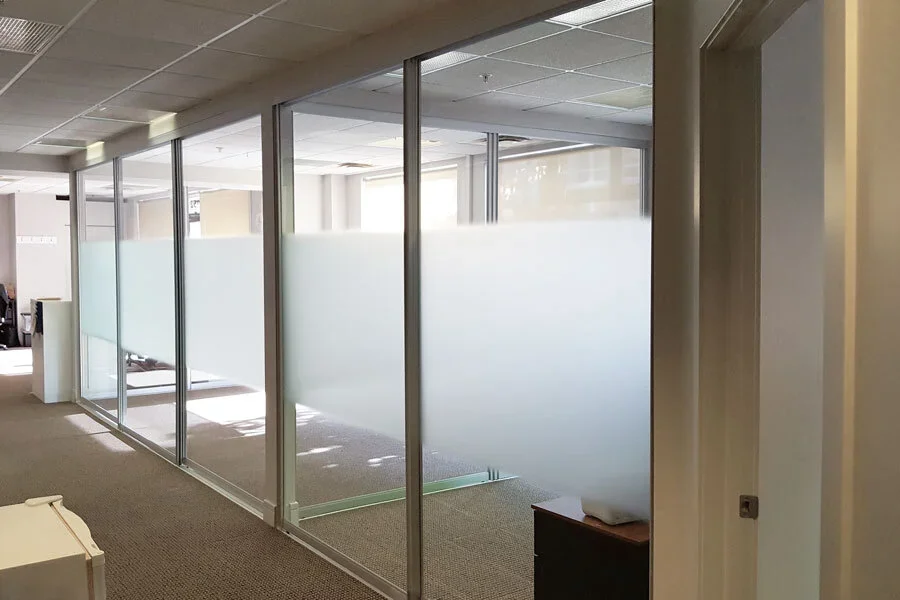
Many decorative films come with warranties lasting 5 to 10 years.
4. Security Window Film: $7–$15 per square foot
Security window tinting uses architectural window film to help hold broken glass together after an impact. These products come in different thicknesses, typically ranging from 3 mil to 15 mil. Some also offer heat rejection.
Security film can help reduce loose glass fragments during storms, accidents, or attempted break-ins. It may also delay forced entry by making broken glass harder to remove.

Thicker films may provide greater resistance, depending on the product and glass. You can also add an attachment system that secures the film to the window frame. This helps the glass and film stay in place after an impact.
Security film is a good option for entrance doors and windows that people can access from outside. It adds another layer of protection, although it can’t guarantee that someone won’t break in.
5. Silver Reflective Window Film: $7–$9 per square foot
Silver reflective window film gives glass a mirrored finish. Businesses often choose this mirror tint for strong solar heat rejection and daytime privacy.
The reflective surface makes it harder for people outside to see into your business during the day. It also helps reduce the amount of solar heat entering through your windows.
However, privacy depends on the lighting. When the lights inside are brighter than the light outside, people may be able to see in.
Many reflective films come with 10-year or lifetime warranties. Some products reject more than 75% of solar heat, depending on their specifications.
Certain reflective films also work on single-pane and double-pane glass. We’ll check compatibility before installation.
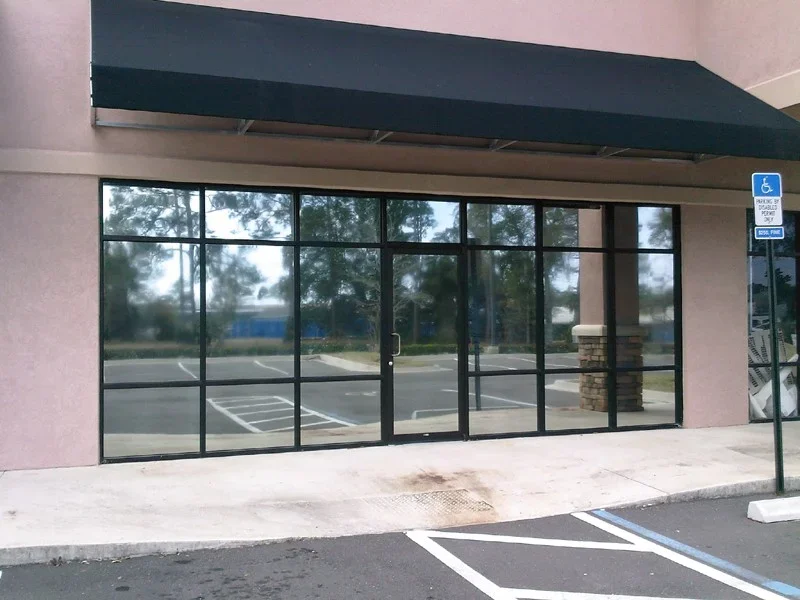
One drawback is the change in appearance at night. When your interior lights are on, the glass may look more reflective from inside than outside.
Other Factors That Affect Commercial Window Tint Costs
The type of film isn’t the only factor that affects your commercial window tinting costs. Window height, access, and glass condition can also change the installation price.
Here’s how these factors affect your budget.
Height of Windows
Windows higher than 14 feet may cost an extra $0.50 to $1.50 per square foot to tint. Working at greater heights takes more time and care, which can increase labor costs.

Tall windows may also require extra equipment. If installers can’t safely reach the glass with a ladder, they may need a man lift or scissor lift.
Equipment rentals can add to your total cost. Our tinting installer will assess your windows and access requirements before your window tinting installation.
Cleanliness of Windows
Another factor is how often you clean your windows. In our experience, commercial properties tend to collect more dust and dirt than homes. This is especially common in busy areas with lots of foot traffic.
If your windows have heavy dirt buildup, we’ll need more time and materials to prepare them. Proper cleaning helps the film adhere to the glass and reduces the risk of trapped debris and bubbles.
You can also compare typical window cleaning costs to understand how extra preparation affects your budget.
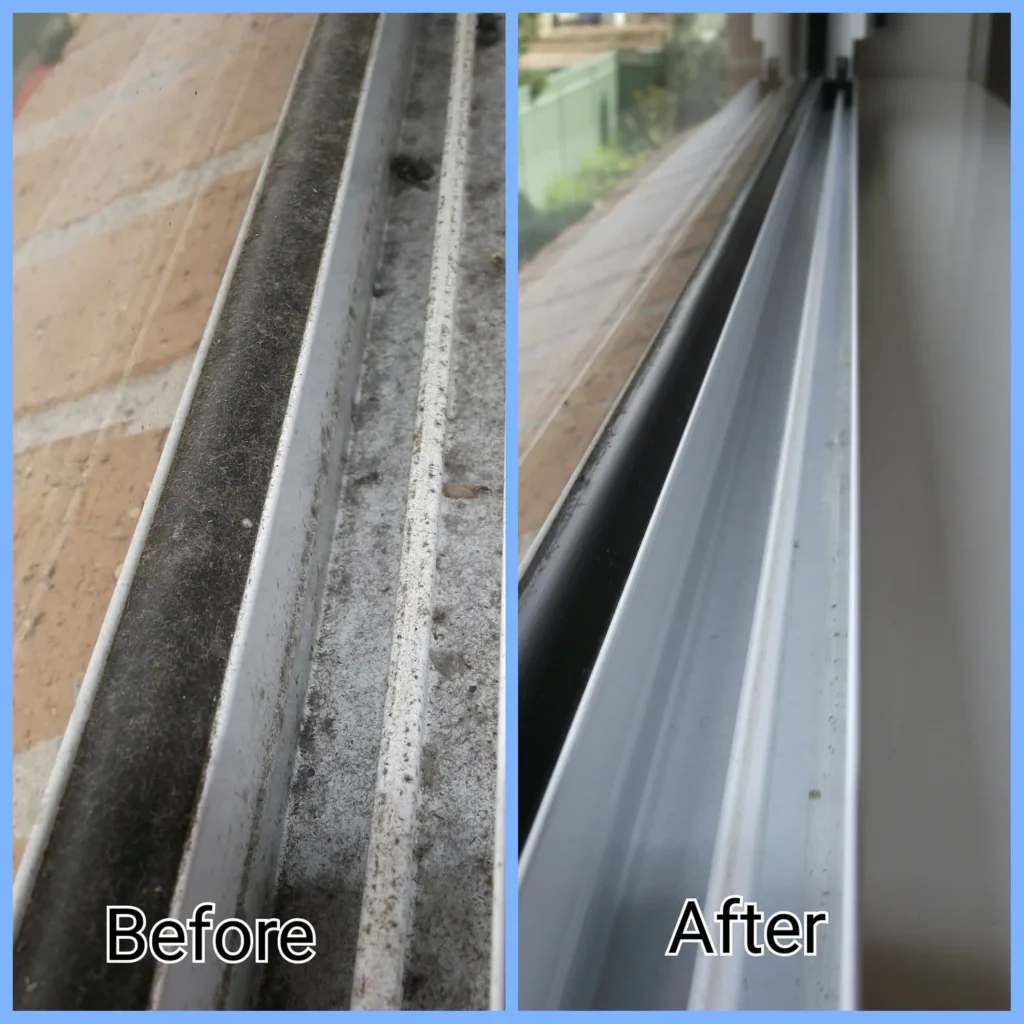
Extra cleaning can add $10 to $25 per window, depending on its condition.
Commercial Window Tinting Cost Examples
These examples show how film costs, glass area, and access can affect your budget. They’re estimates rather than fixed prices. A window tinting professional can assess your property. This will help you get a more accurate tinting cost per square foot.
Small Office Suite (10 to 20 Windows)
Estimated cost: $800 to $2,000
A small office with standard-height windows may only need basic solar control film. The total cost depends on the glass area and whether you want privacy or decorative film.
Retail Storefront (Large Display Windows)
Estimated cost: $1,500 to $5,000 or more
Retail stores often choose ceramic or reflective films to reduce heat. Some films also help protect merchandise while keeping displays visible from outside.
Larger glass areas increase material costs, but easy access can make the installation more straightforward.
Commercial Building With Large Glass Panels
Estimated cost: $5,000 to $15,000 or more
A multi-story office building with large glass panels may need lifts and extra labor. These access requirements can increase the total cost.
Bottom Line
This guide should give you a better idea of what to budget for commercial tinting. However, your final commercial window tinting cost will vary. The main factors are your glass area, film choice, window condition, and installation needs.
To get a more accurate cost breakdown, have a professional inspect your windows and recommend suitable products.
Commercial window film can also offer benefits beyond heat reduction. Depending on the product, it may help lower cooling expenses, reduce glare, or improve privacy. You can consider these benefits when estimating your return on investment (ROI).
For an exact quote, call our commercial window tinting team in Houston at (832) 205-4685 or fill out our contact us form. We offer free quotes by phone or in person.
If you’re unsure which film to choose, we also provide 100% FREE window film samples. We can even install a sample on your glass if your business is in Houston, TX, or a surrounding area.